Real-world case
A multi-tenant ERP, end to end
This is the system that introduces us best: YSY Empresa, a custom multi-tenant ERP built end-to-end by YSY Software for Ripser, a company that manufactures, sells and ships commercial fixtures and refrigeration units. We show it in detail because a real system says more than any promise.
It's not a demo. It's not a prototype. It has been in production since 2024: it runs the real operation every day — from the factory floor to delivery — and keeps evolving around concrete business needs.
Scale
The system's size, in our own numbers
Each company using the system operates on its own data, isolated from the rest. For the technical reader: the platform currently has ~127 controllers, ~149 JPA entities and ~142 repositories, on a multi-tenant architecture.
These are numbers about the system, not the client: no business volumes, revenue or user counts here.
Modules
One system for the whole operation
Sales and quotes
Quoting, confirmation and order tracking in a single flow.
Customers and CRM
Customer base and commercial lead tracking.
Receivables and collections
Balances, due dates and payment records per customer.
Cash and money flow
Money movements, centralized and reconcilable.
Manufacturing
Production recipes and equipment traceability: what was built, with what, and for whom.
Multi-warehouse logistics
Stock per warehouse and delivery route planning.
HR
Attendance and payroll.
The real system
What it looks like inside
Screenshots of the system in use: from the sales dashboard to the production board. Every screen is a real module operating on real data.
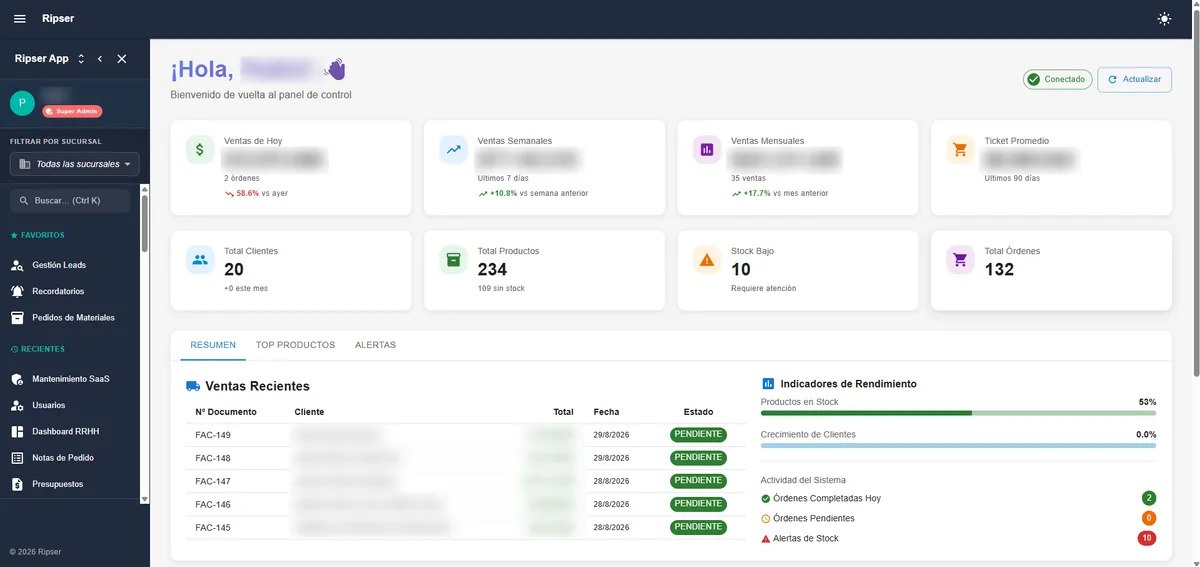
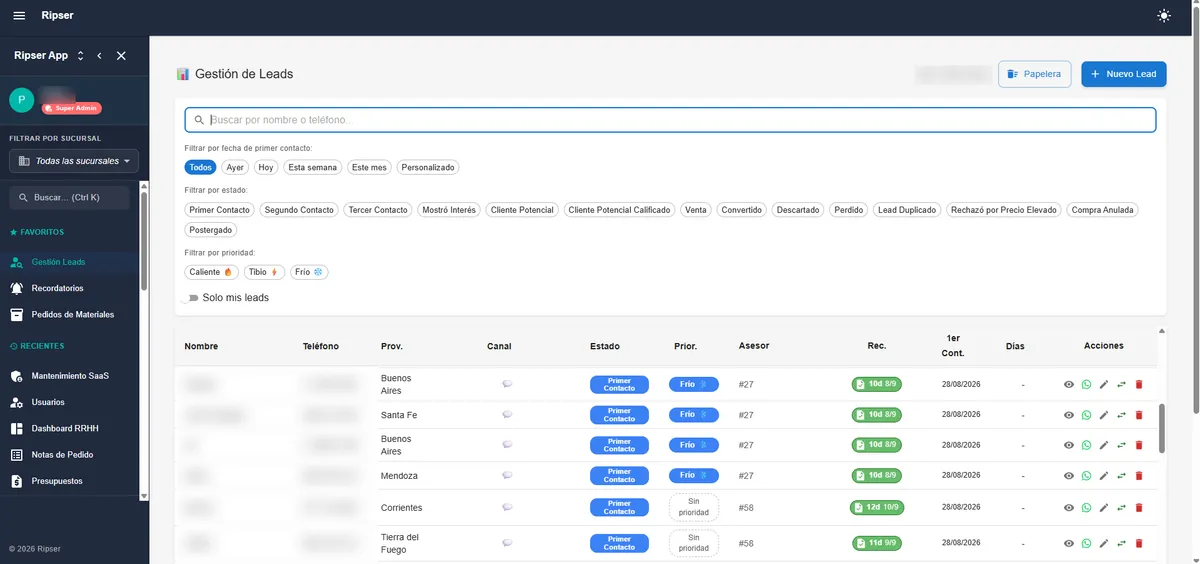
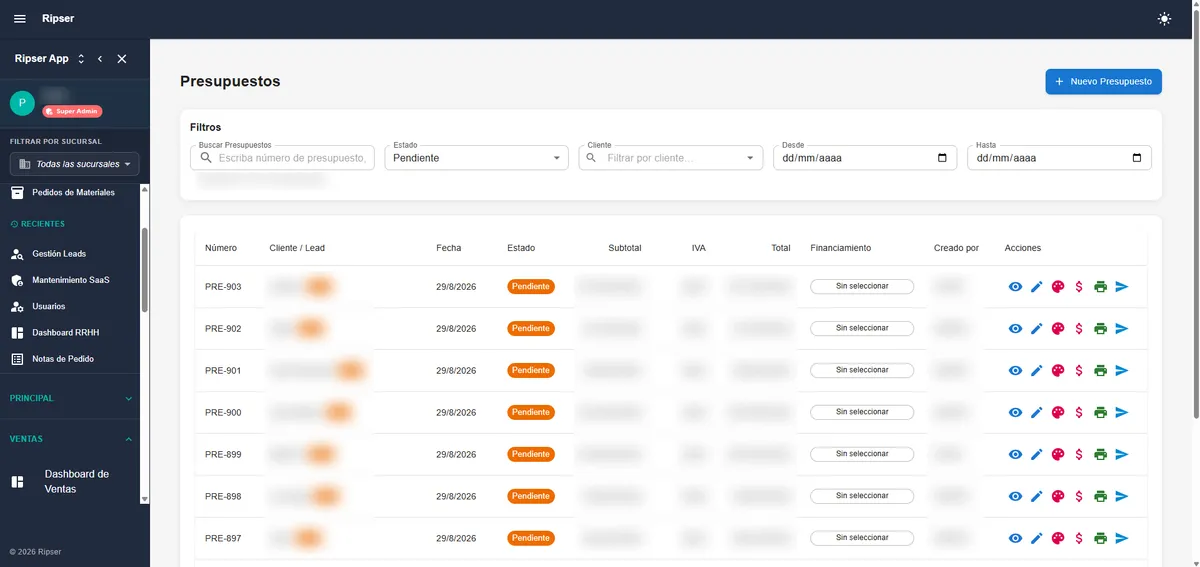
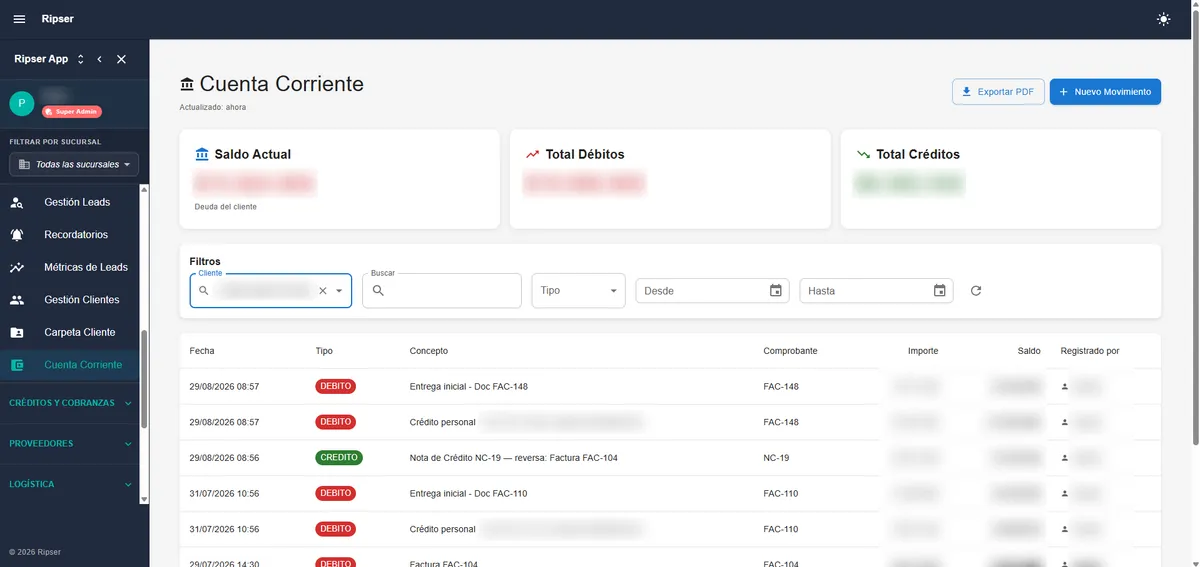
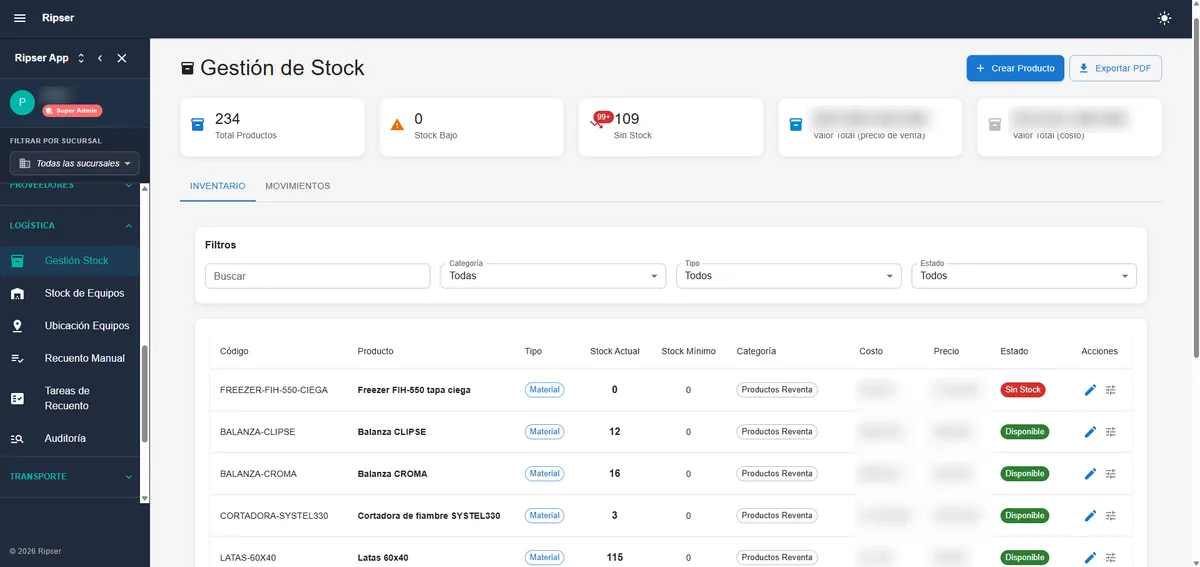
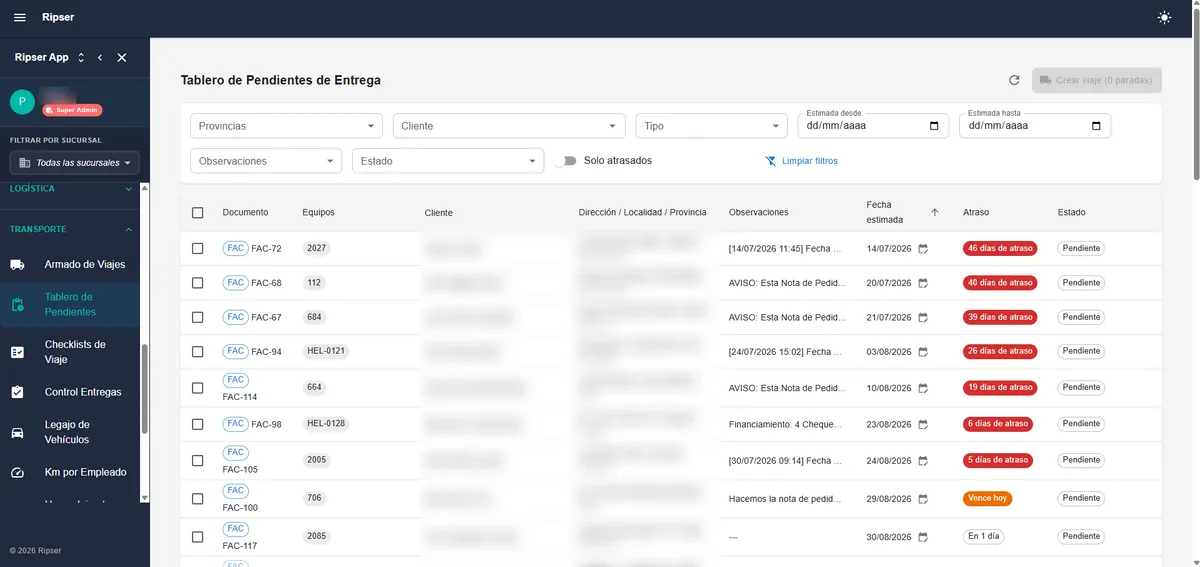
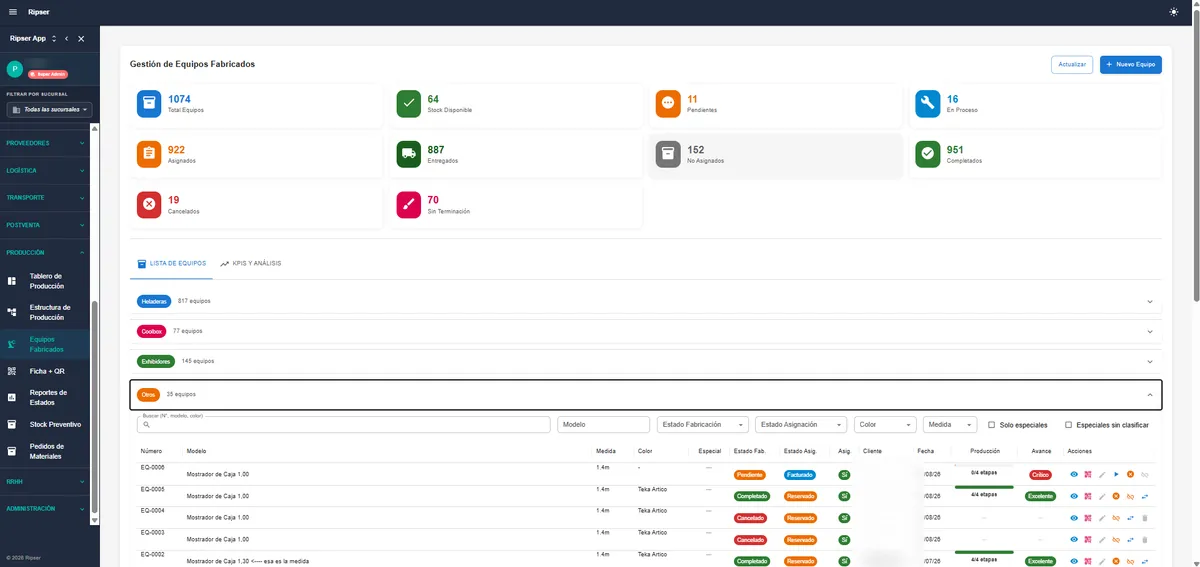
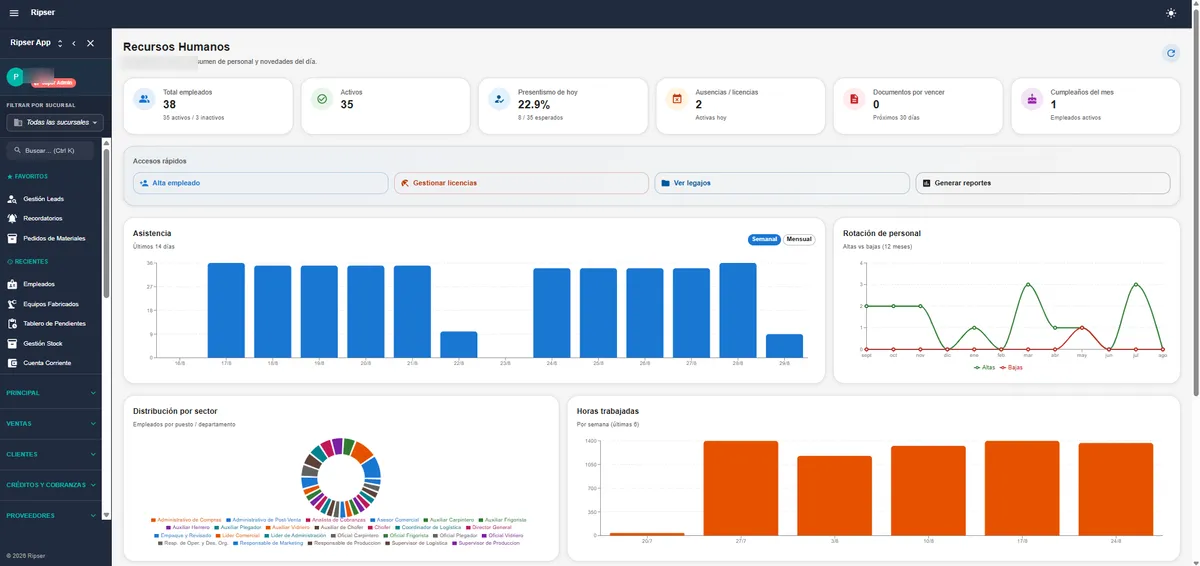
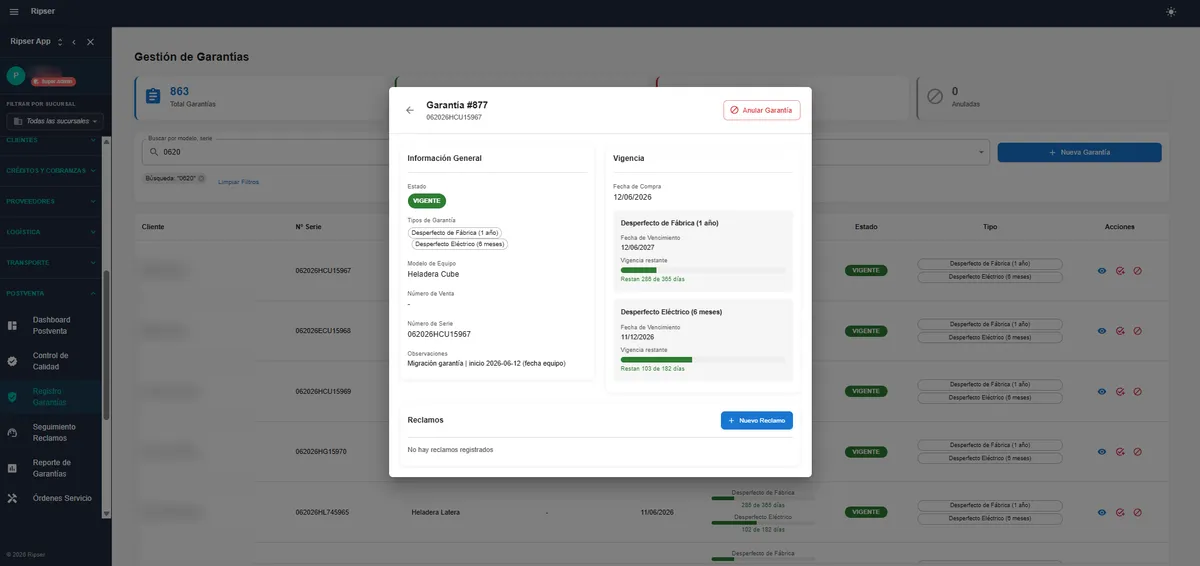
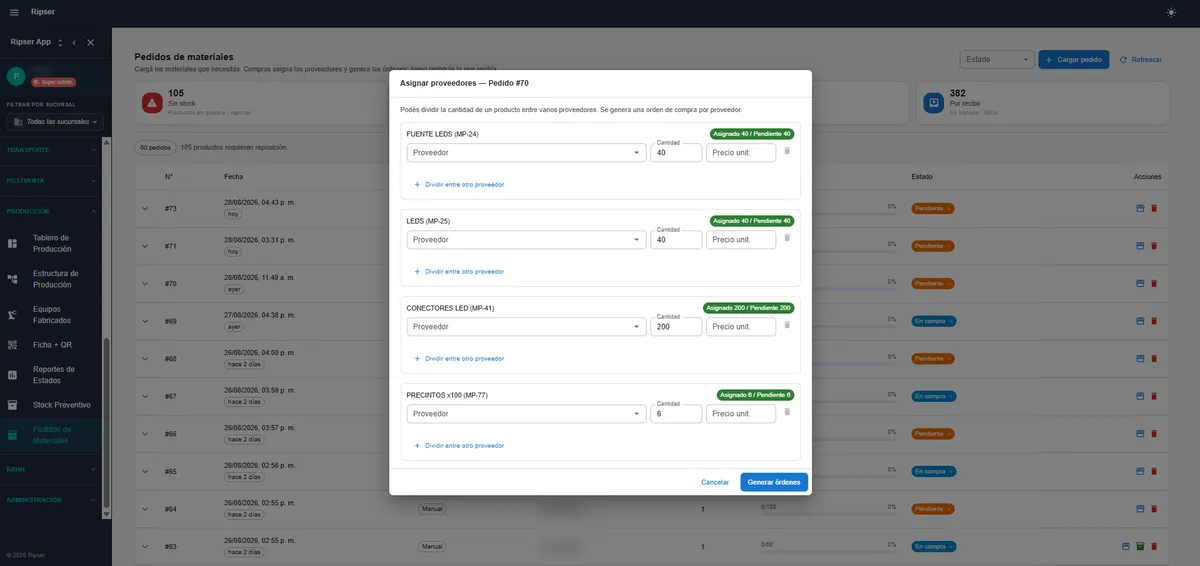
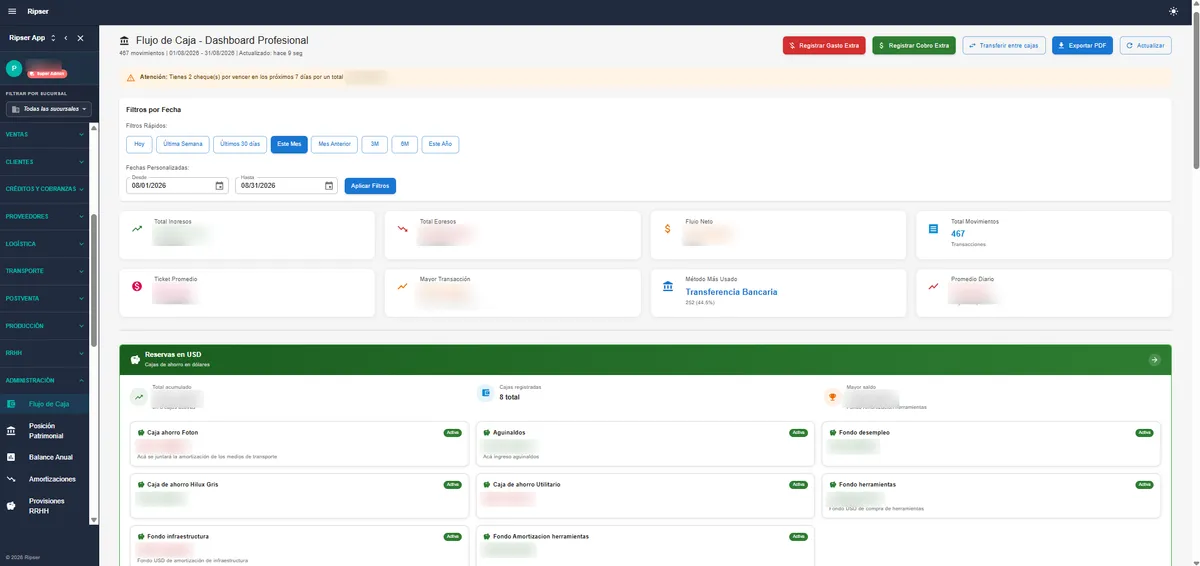
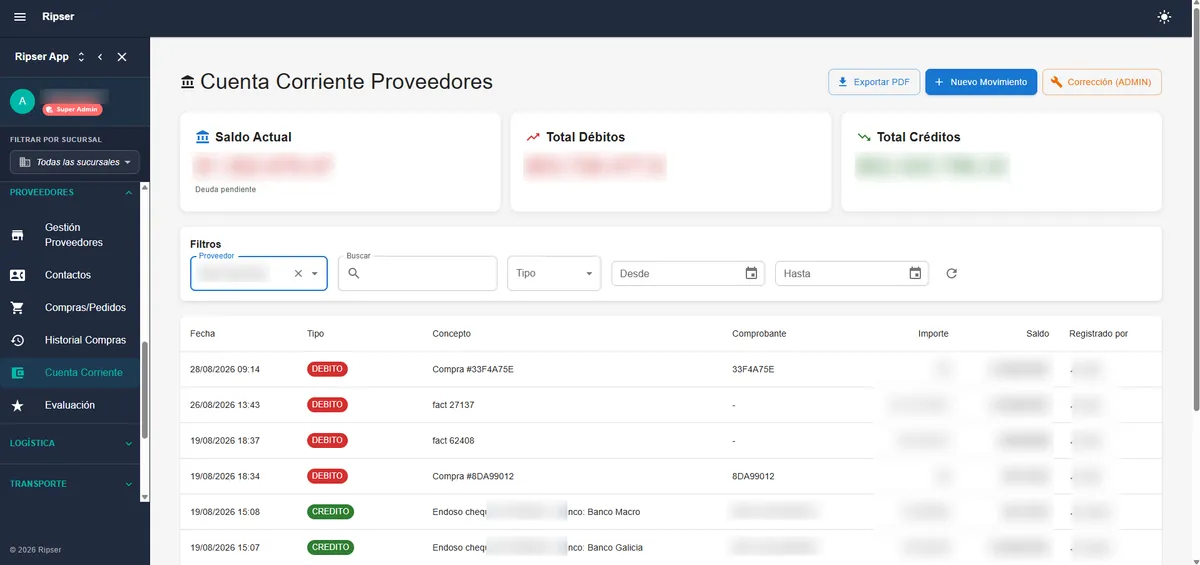
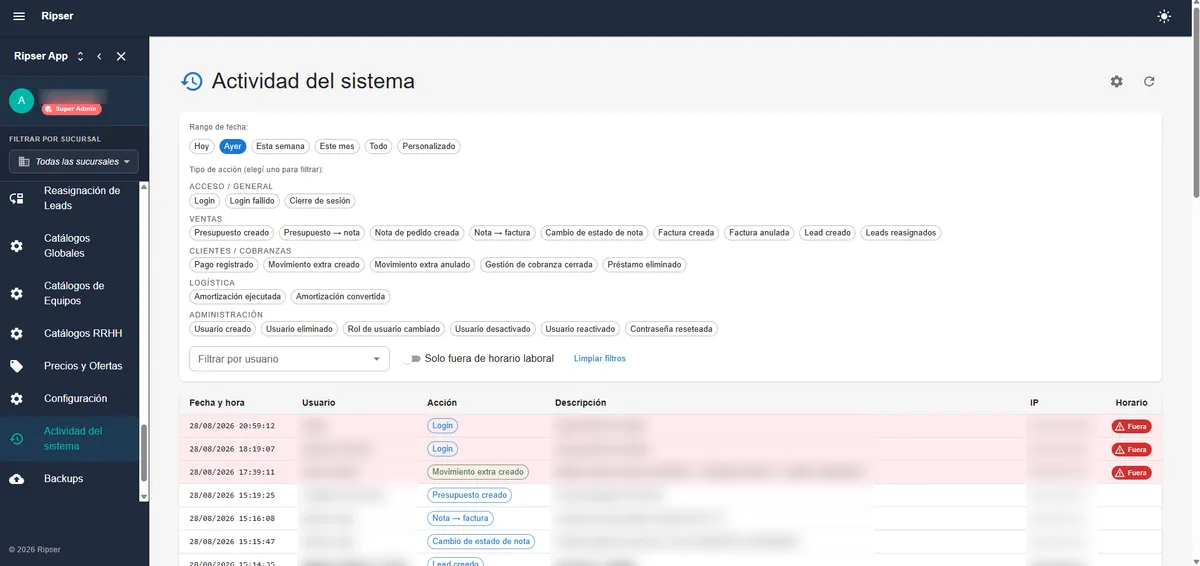
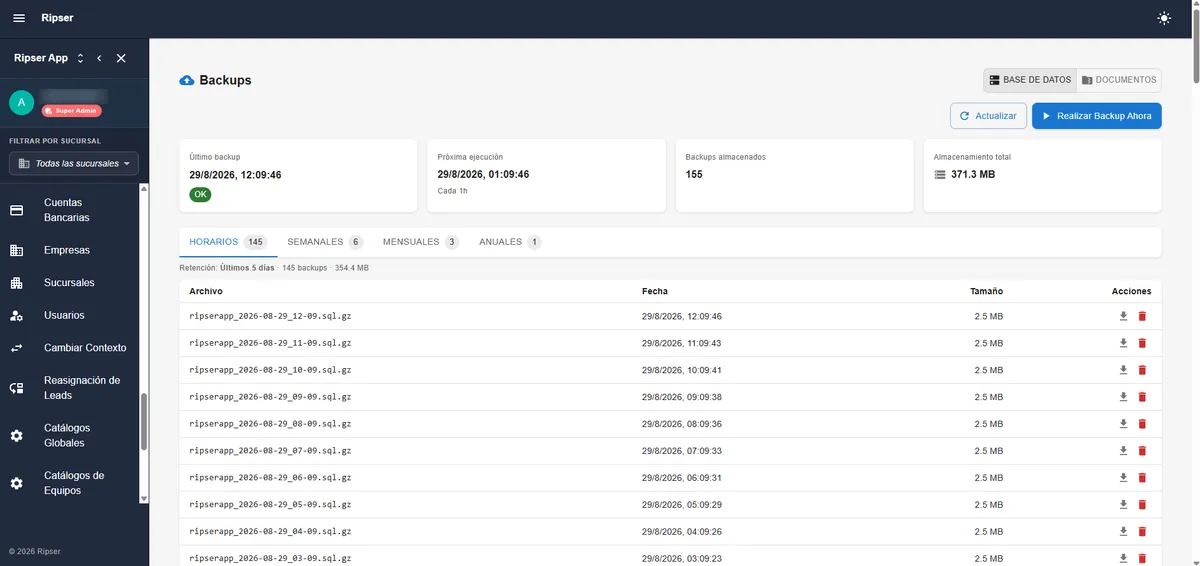
Customer and staff names, contact details and money amounts are blurred for privacy and commercial confidentiality.
Multi-tenant with isolated data
Engineering
Engineering you can audit
Audited multi-tenant security.
In a system where several companies coexist, the number one risk is one seeing another's data. We specifically audit for that class of flaw (indirect access to someone else's records) across all modules.
Performance measured, not guessed.
Slow queries are optimized by analyzing the database's real execution plans — not by eye.
Automated tests where it hurts.
The flows that touch money (collections, cash, receivables) have integration tests that run against a real database on every change.
Drama-free deploys.
Every release ships atomically and rolls back automatically if something fails. Every build is versioned and archived.
We went from spreadsheets and parallel controls to running the whole operation — sales, factory, deliveries and payroll — through a single system. And when we need something new, it gets built around how we work, not the other way around.
 Sergio RipollCEO of Ripser · uses YSY Empresa
What it's built with
Java 21 and Spring Boot on the backend, MariaDB with versioned migrations, React and TypeScript on the frontend, Docker infrastructure with continuous integration on GitHub Actions.
- Java 21
- Spring Boot
- JPA / Hibernate
- MariaDB
- Flyway
- React
- TypeScript
- Docker
- GitHub Actions